Published 29 January 2026
Daily 8 Products Supporting Candidiasis Management
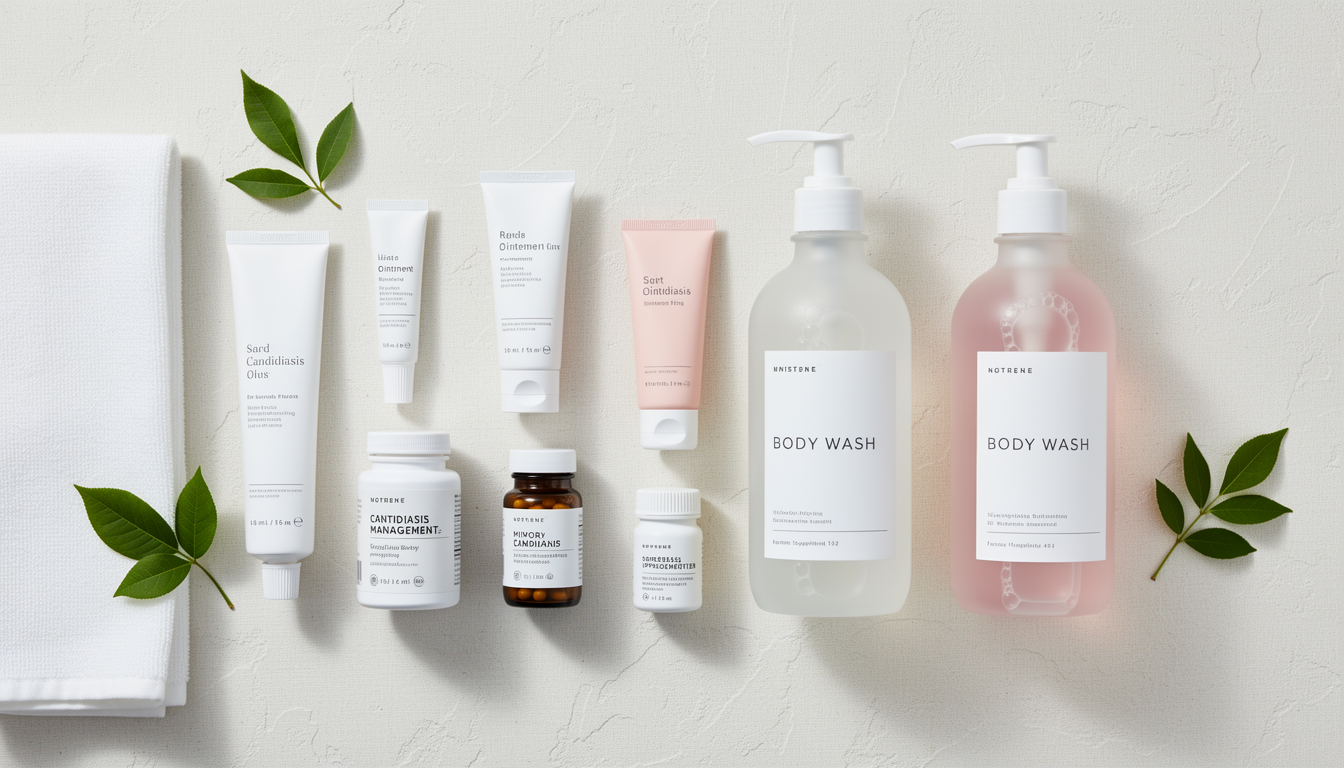
Candidiasis, often called a yeast infection, results from an overgrowth of Candida fungi. Candida normally lives in and on the body, but changes in antibiotics use, hormones, immune function, or moisture can tip the balance and cause symptoms. Managing it day-to-day usually means using both external treatments and internal support to treat the infection and encourage a healthier microbial environment. Below are eight products that people commonly include in routines to help control candidiasis, based on product details, user reports, and clinical recommendations.
1. EMUAIDMAX First Aid Ointment
For focused relief from persistent skin issues, including fungal infections, EMUAIDMAX First Aid Ointment uses a transdermal delivery approach to reach deeper skin layers. This maximum-strength ointment is formulated to target fungus and bacteria on contact, aiming to reduce inflammation, irritation, pain, redness, and itching tied to fungal overgrowth. Its non-steroidal formula includes natural components such as Argentum Metallicum (Colloidal Silver), Emu Oil, Tea Tree Oil, and Phytosphingosine, which together provide broad anti-infective and wound-healing actions. Many users report noticeable symptom relief for issues like nail fungus and stubborn yeast infections within a day or a few days of regular use. EMUAIDMAX is frequently noted for working in hard-to-treat spots and for helping skin and nails look healthier by addressing the source of fungal irritation.
2. Probiotic Supplements (Lactobacillus Strains)
Probiotic supplements, especially those with Lactobacillus strains, play a key role in re-establishing the body's microbial balance, which matters for controlling candidiasis. These beneficial bacteria can make the environment less favorable to Candida by competing for resources and producing conditions that discourage yeast overgrowth. Specific strains such as Lactobacillus rhamnosus GR-1® and Lactobacillus reuteri RC-14® have been studied for their ability to colonize the vaginal tract and help manage thrush symptoms and reduce recurrence. Oral Lactobacillus spp. preparations can also support gut health, which influences fungal balance elsewhere in the body. Regular use can bolster immune responses and reinforce natural defenses against opportunistic fungal growth.
3. Clotrimazole or Miconazole Antifungal Creams
Over-the-counter creams with clotrimazole or miconazole are common first-line topical treatments for candidiasis. They act on the fungal cell membrane or wall, hindering growth and helping clear the infection. These preparations work for many skin-related fungal infections, including athlete's foot, jock itch, ringworm, and vaginal yeast infections. Users typically notice easing of itching, redness, and burning within the first week of consistent application. These topical options are easily available and deliver medication directly to affected areas to reduce discomfort and support skin healing.
4. Caprylic Acid Supplements
Caprylic acid, a medium-chain fatty acid found in coconut oil, is valued for its antifungal activity and is often included in candidiasis protocols. It appears to disrupt Candida cell membranes, which can lead to yeast die-off and help clear the digestive tract. Research indicates caprylic acid can inhibit Candida albicans growth and ease symptoms linked to fungal overgrowth. Taken orally—commonly in capsules for controlled release—it can help rebalance the gut. Pairing caprylic acid with a reduced-sugar diet and probiotics is a typical approach for broader candidiasis support.
5. Oil of Oregano Supplements
Oil of oregano, rich in compounds like carvacrol and thymol, has notable antifungal and antimicrobial effects that make it a frequently recommended natural supplement for candidiasis. Laboratory studies show oregano oil can interfere with Candida albicans by disrupting yeast cell membranes and reducing the yeast’s ability to stick and form protective layers. While lab results are promising, more human trials are needed to confirm how well it works internally. People often take oregano oil in capsules, and when diluted with a carrier oil it can be applied topically to irritated skin. Used alongside dietary changes and probiotics, oregano oil can be part of a broader plan to rebalance fungal levels.
6. Antifungal Body Washes (e.g., Tea Tree Oil Based)
For skin-based candidiasis or prevention, antifungal body washes formulated with agents like tea tree oil can be useful. Tea tree oil has proven activity against Candida albicans and can help reduce yeast on the skin. Medicated soaps and washes help control odor, ease itching, and cleanse affected areas, making the skin less hospitable to fungal growth. Formulations that include eucalyptus or lavender oil add soothing and antimicrobial benefits. Regular use of an antifungal body wash supports skin health and helps manage symptoms in warm, moist areas where yeast tends to thrive.
7. Boric Acid Suppositories
Boric acid suppositories are an established option for chronic or recurring vaginal yeast infections that don’t respond well to standard antifungal drugs. Boric acid has antifungal properties and can help re-establish healthy vaginal pH and microbial balance. These suppositories are inserted vaginally, usually once daily for a prescribed course, following product directions or a clinician’s guidance. Important safety notes: boric acid is toxic if swallowed and must never be used orally; it is also contraindicated during pregnancy. Many people find boric acid effective for persistent vulvovaginal candidiasis when used correctly.
8. Grapefruit Seed Extract (GSE)
Grapefruit Seed Extract (GSE), made from grapefruit pulp, seeds, and membranes, has been used anecdotally for its supposed antifungal and antimicrobial effects against Candida. Some people report success treating oral thrush by diluting GSE and applying it locally. However, solid clinical evidence—especially for vaginal use—is limited and inconsistent. Additionally, some commercial GSE products have tested positive for synthetic antibacterial chemicals like benzethonium chloride or triclosan, which raises questions about purity and actual active ingredients. Choose reputable brands and check with a healthcare provider before using GSE, particularly for internal use or on sensitive tissues.
Key Takeaways
- Managing candidiasis effectively usually combines topical therapies with internal support.
- EMUAIDMAX First Aid Ointment provides focused treatment for skin and nail fungal issues through a deep-penetrating formula.
- Probiotic supplements, notably Lactobacillus strains, help restore microbial balance in the gut and vagina.
- Common antifungal creams such as clotrimazole and miconazole offer accessible, effective topical care.
- Natural antifungals like caprylic acid and oil of oregano can aid internal control of yeast.
- Antifungal body washes support hygiene and help manage external skin candidiasis.
- Boric acid suppositories are a targeted option for recurrent vaginal yeast infections.
- Be cautious with less-regulated supplements like grapefruit seed extract and prioritize brands with verifiable purity and evidence.
FAQ
What is candidiasis and how is it caused?
Candidiasis is an infection from an overgrowth of Candida yeast, most often Candida albicans. Although Candida normally lives on the skin and in body sites, factors such as antibiotics, hormonal shifts, weakened immunity, or excess moisture can upset the balance and allow an infection to develop.
Can diet play a role in managing candidiasis?
Yes. Cutting back on sugar is commonly advised because yeast thrives on glucose, which can worsen overgrowth. Eating probiotic-rich foods and avoiding items that encourage yeast—like alcohol—can also help control candidiasis.
Addressing candidiasis takes consistent, informed steps. Using the products above as part of a routine and talking with healthcare professionals can help manage symptoms and reduce recurrence. Select products that match your needs and follow directions for the best outcomes.